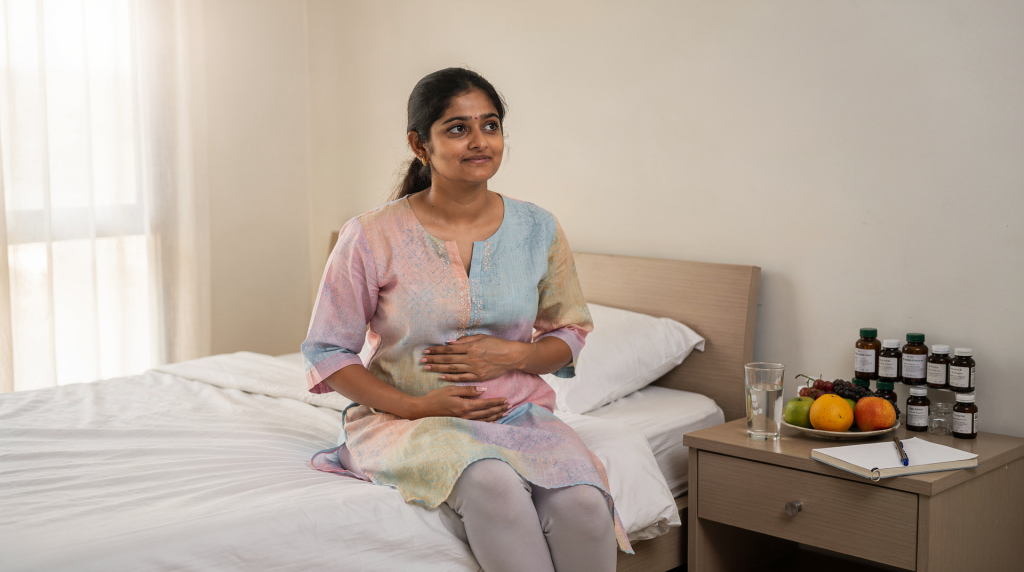
Planning for pregnancy starts long before a positive test. A thorough preconception health checklist helps you reduce risks early, correct hidden deficiencies, update vaccinations, and enter pregnancy in the best possible shape. In India, this matters even more because anemia, thyroid issues, diabetes, and vaccine gaps are common enough that they deserve active attention before conception—ideally while you’re also thinking about the kind of home and neighborhood where you’ll raise your child.
Why preconception care matters
Pregnancy places extra demand on your body from day one, often before you even realize you are pregnant. That is why preconception care focuses on what you can optimize in advance: nutrition, medical conditions, medications, immunity, and daily habits. It’s not about doing everything perfectly. It’s about fixing the preventable issues that can affect fertility, early fetal development, and your own health. And while you’re tuning up your body, it’s also the right moment to start evaluating whether your current living situation—space, air quality, access to parks and clinics—can support a growing family.
Quick preconception checklist at a glance
| Area | What to check | Why it matters |
|---|---|---|
| Nutrition | Folic acid, iron, vitamin B12, vitamin D, balanced diet | Supports early fetal development and helps reduce anemia and neural tube defects |
| Medical history | Thyroid, diabetes, blood pressure, anemia | Uncontrolled conditions can affect conception and pregnancy outcomes |
| Medicines | Prescription and over-the-counter drugs | Some medicines may need to be changed before conception |
| Vaccines | Rubella, hepatitis B, tetanus, HPV, flu as advised | Prevents infections that can harm pregnancy |
| Infections | STI and reproductive tract infection screening if indicated | Lowers risk of complications and transmission |
| Lifestyle | Smoking, alcohol, sleep, exercise, weight | Improves fertility and pregnancy readiness |
| Mental health | Stress, anxiety, mood symptoms | Emotional health affects adherence, sleep, and daily functioning |
Step 1: Book a preconception visit
A preconception appointment with a gynecologist, family physician, or fertility specialist gives you a personalized plan instead of guesswork. This is especially useful if you have irregular cycles, previous miscarriage, PCOS, thyroid disease, diabetes, hypertension, anemia, or a family history of genetic conditions. Think of it as your medical strategy session—one that should happen before you start trying, not after. And while you’re gathering your health records, it’s wise to start mapping out the practical side too: how far is the nearest good maternity hospital from your current home? Would you feel safe commuting there in an emergency? These are the kinds of questions that turn a checklist into a real-life plan.
Bring:
- A list of your current medicines and supplements
- Your past medical and surgical history
- Any previous pregnancy history
- Vaccine records
- Recent blood test reports if available
Step 2: Start folic acid early
Folic acid is one of the most important preconception supplements. It helps reduce the risk of neural tube defects, which affect the baby’s brain and spine very early in pregnancy—often before you even know you’re pregnant. For most women, the usual advice is 400 micrograms daily, starting at least 1 month before trying to conceive, and continuing through the first 12 weeks of pregnancy. If you have had a previous pregnancy affected by a neural tube defect, or if your doctor identifies a higher-risk situation, you may need a different dose. Do not self-prescribe a higher dose without medical advice.
Simple rule
If you are actively trying to conceive, folic acid should already be part of your routine. Keep the bottle next to your toothbrush or on the kitchen counter—somewhere you’ll see it daily. And as you build that supplement habit, take a walk around your neighborhood with fresh eyes: are there sidewalks wide enough for a stroller? Is there a park within walking distance? These small observations start to shape your vision of family life.
Step 3: Check for anemia and nutritional gaps
Anemia is common in Indian women and should be corrected before pregnancy, not after it begins. Low hemoglobin can contribute to fatigue, poor tolerance of pregnancy, and complications later on. Ask your doctor whether you need a hemoglobin or CBC, iron studies, vitamin B12, vitamin D, or folate level in selected cases. I’ve seen too many women struggle through the first trimester exhausted not just from pregnancy but from untreated anemia that could have been resolved months earlier.
Food sources that help
- Iron: leafy greens, legumes, eggs, meat, fortified foods
- Vitamin B12: dairy, eggs, fish, meat, fortified products
- Folate: green vegetables, beans, citrus fruits, fortified grains
- Protein: dals, paneer, tofu, eggs, fish, chicken, nuts
Important nuance
Food helps, but food alone may not correct a deficiency quickly enough before conception. That is why testing matters. And when you’re planning meals, think about your kitchen setup: do you have enough counter space and a reliable water supply to prepare fresh, nutrient-dense food daily? If your current rental feels cramped, that’s worth noting as you consider future housing options.
Step 4: Screen for common medical conditions
Pregnancy becomes safer when chronic conditions are identified and controlled before conception. Ask your doctor about screening for thyroid disorders, diabetes or prediabetes, high blood pressure, anemia, and weight-related risk factors.
Why this matters
- Thyroid imbalance can affect ovulation and early fetal development
- Uncontrolled diabetes increases pregnancy risks
- Hypertension can become more dangerous once pregnancy starts
- Anemia can worsen during pregnancy if not corrected early
If you already have a diagnosis, ask whether your treatment needs adjustment before trying. This is also the time to consider whether your home environment supports managing a chronic condition—for instance, is there a pharmacy nearby for regular medication, or a quiet space to rest if you need it?
Step 5: Review your medicines carefully
Some medicines are not safe in early pregnancy or may need replacement before you conceive. Make a full list of prescription drugs, painkillers, acne medicines, Ayurvedic or herbal products, supplements, and occasional medicines taken “only when needed.” Do not stop a prescribed medicine on your own. The goal is to review and adjust, not to abruptly discontinue treatment without a plan.
Common mistake
Many women focus on vitamins but forget medications for acne, migraines, epilepsy, depression, or autoimmune disease. These can matter just as much as folic acid. While you’re reviewing your medicine cabinet, take a look at your living space too: is there a safe, lockable storage area for medications, away from where a curious toddler might eventually reach? Thinking ahead like this makes the transition to parenthood smoother.
Step 6: Update your vaccinations
A pregnancy-ready vaccine review is a key part of preconception care in India. Common vaccines to discuss with your doctor include rubella, hepatitis B, tetanus-containing vaccines, HPV (if appropriate for age and history), and influenza, especially during the season or if advised by your doctor.
Why rubella matters
Rubella infection during pregnancy can seriously affect the fetus. If you are not immune, vaccination is usually done before conception, and you are typically advised to wait before trying.
What to do
- Check your vaccination records
- Ask for immunity testing if records are missing
- Don’t assume childhood vaccines still protect you
- Plan vaccine timing before you start trying
This step often gets overlooked in the rush of daily life. Set a reminder on your phone. And as you’re scheduling medical appointments, consider the logistics: is your current home well-connected to a reliable clinic or hospital? If you need multiple visits for vaccines or follow-ups, a neighborhood with good healthcare access becomes a real asset.
Step 7: Check infection risk if relevant
Not every woman needs the same infection workup, but screening may be recommended based on your history, symptoms, or risk factors. Your doctor may consider HIV, hepatitis B, hepatitis C, syphilis, rubella immunity, varicella immunity, or STI and reproductive tract infection testing. If you have symptoms such as unusual discharge, pelvic pain, burning urination, or recurrent infections, mention them before conception. Early treatment protects both you and a future pregnancy. And while we’re on the topic of safety, think about the broader environment: does your neighborhood feel secure for evening walks? Is the water quality reliable? These factors quietly shape your overall health as you prepare to conceive.
Step 8: Look at lifestyle habits honestly
Small habits can have a surprisingly large impact on fertility and pregnancy health.
Habits to review
- Smoking or vaping
- Alcohol use
- Recreational drugs
- Sleep schedule
- Exercise routine
- Caffeine intake
- Weight changes
- Work stress and burnout
Practical targets
- Stop smoking and avoid secondhand smoke
- Limit or avoid alcohol while trying to conceive
- Aim for regular movement, not extreme workouts
- Keep sleep steady
- Reduce ultra-processed foods and focus on balanced meals
Weight and fertility
Very low or very high body weight can affect ovulation. If needed, aim for gradual changes rather than crash diets or aggressive weight loss. Your daily routine is easier to maintain when your surroundings support it—look for a neighborhood with safe walking paths, a gym or yoga studio nearby, and grocery stores that stock fresh produce. These aren’t luxuries; they’re infrastructure for a healthy pregnancy.
Step 9: Take care of mental health too
Trying to conceive can be emotionally draining, especially if the process has already taken months. Stress alone does not explain every fertility issue, but it can affect sleep, relationships, and how consistently you follow treatment. Watch for persistent anxiety, low mood, irritability, trouble sleeping, or feeling overwhelmed by the process. If needed, ask for support early. Counseling is not a last resort; it is part of whole-person preconception care. And as you navigate these emotions, pay attention to how your home environment makes you feel. A noisy, cramped, or unsafe space can amplify stress. When you’re ready to look for a family home, prioritize natural light, a quiet bedroom, and access to green spaces—they genuinely help regulate mood.
Step 10: Build a simple preconception routine
You do not need a perfect wellness plan. You need a repeatable one.
Sample weekly routine
- Take folic acid daily
- Eat iron-rich meals regularly
- Walk or exercise most days
- Sleep at a consistent time
- Avoid alcohol while trying
- Keep appointments and labs on schedule
- Track your cycle if helpful
- Review medications and test reports with your doctor
This routine becomes even more sustainable when your living situation aligns with it. A home with a comfortable bedroom, a kitchen that invites cooking, and a neighborhood that encourages evening walks can turn these tasks into effortless habits.
A practical preconception checklist you can save
Medical
- Book a preconception consultation
- Review thyroid, diabetes, BP, and anemia status
- Check current medications for pregnancy safety
- Update vaccines
- Screen infections if advised
Nutrition
- Start folic acid
- Check iron, B12, vitamin D if needed
- Eat enough protein and micronutrient-rich foods
- Hydrate well
Lifestyle
- Stop smoking
- Avoid alcohol while trying
- Exercise regularly
- Sleep 7–9 hours if possible
- Reduce stress where you can
Records
- Keep reports in one folder
- Note the first day of each period
- Track symptoms or cycle irregularity
- Save vaccination details
Common mistakes women make before trying to conceive
- Starting folic acid only after a missed period
- Assuming a healthy appearance means no blood tests are needed
- Ignoring thyroid symptoms because periods are “mostly regular”
- Taking supplements without checking for duplicates
- Forgetting vaccine review
- Waiting until pregnancy to fix anemia
- Changing medicines without medical advice
- Treating preconception care as optional
I’d add one more: not factoring your living environment into the equation. A home that works for a couple may feel completely different once a baby arrives. Start observing your space early—notice noise levels, stairs, storage, and proximity to parks and clinics. These details matter more than most people realize.
When to see a doctor sooner
See a doctor before trying to conceive if you:
- Have irregular or very painful periods
- Have had infertility for several months or longer
- Have PCOS, endometriosis, thyroid disease, diabetes, hypertension, or epilepsy
- Have had repeated miscarriage
- Are over 35 and planning pregnancy
- Have a history of pelvic infection or surgery
- Take long-term medicines
- Have a strong family history of genetic conditions
Bottom line
Preconception health is not about overtesting or overcomplicating the process. It is about addressing the predictable risks before pregnancy begins. For women in India, that usually means folic acid, anemia screening, vaccine review, chronic disease control, and a clear medication plan. The best time to prepare is before you start trying, not after the test turns positive. And as you invest in your body, invest in your surroundings too: the right neighborhood, with good schools, parks, and a safe commute, can support your family’s well-being for years to come.
FAQ
How long before trying to conceive should I start preconception care?
Ideally, start at least 1 to 3 months before trying. That gives time for supplements, tests, vaccine updates, and medication adjustments. Use this window to also assess your home and neighborhood—moving while pregnant or with a newborn is far more stressful.
Is folic acid really necessary if I eat a healthy diet?
Yes. Food is helpful, but folic acid supplementation is still recommended because the need is specific and time-sensitive. Think of it like choosing a home: good bones matter, but you still need the right fixtures to make it safe and functional.
Do all women need a full preconception test panel?
No. The tests you need depend on your age, history, symptoms, and risk factors. A doctor should tailor the list. Similarly, not every family needs the same kind of home—your priorities might be a ground-floor flat if you have mobility concerns, or a quiet cul-de-sac if you value peace.
Can I get pregnant if I have anemia or thyroid disease?
Yes, but the condition should be evaluated and treated first. Pregnancy is safer when these issues are controlled before conception. In the same way, you can raise a child in a less-than-ideal apartment, but fixing major problems beforehand—like dampness or unsafe wiring—prevents bigger headaches later.
Which vaccine matters most before pregnancy?
Rubella is one of the most important to check because infection during pregnancy can be serious. Hepatitis B and tetanus-related vaccines are also commonly reviewed. While you’re updating your health records, it’s a good time to update your home inventory too: do you have a first-aid kit, emergency contacts, and a clear route to the nearest hospital?